When I first got into solar power installations, I quickly learned that not all hybrid solar inverters are created equal. The term hybrid solar power inverter refers to a device that not only converts DC power from solar panels into usable AC power for your home or business but also manages battery storage and grid interaction. Over the years, I’ve seen how the right choice in solar hybrid inverter can dramatically improve system performance, simplify installation, and future‑proof a solar setup.
Hybrid inverters have become the gold standard for most modern solar projects because they combine the roles of a grid‑tied inverter and an energy storage controller into one unit. They give homeowners flexibility, reliability, and energy independence that traditional inverters simply cannot match. This guide compares three popular hybrid inverter capacities , 3.6kW, 6.5kW, and 12kW , to help you determine which one fits your energy goals and installation needs.
Before we get into the comparisons, it’s worth understanding how hybrid inverters differ from standard solar inverters. Traditional grid‑tied inverters convert DC electricity from your solar panels to AC power but usually shut off during power outages. In contrast, hybrid inverters manage energy flow between solar panels, batteries, and the grid , allowing your system to store excess energy and supply it when needed. This bi‑directional energy handling is a defining feature that sets hybrid units apart.
Understanding Hybrid Inverter Basics
A hybrid inverter is more than just a simple converter. In practical terms, it provides an integrated solution for solar generation, energy storage, and grid management. What sets a hybrid system apart is its ability to work with battery systems directly, making it a top choice for homes seeking backup power or off‑grid capability.
Hybrid systems are designed to maximize energy usage by prioritizing solar power first, then battery power, and finally the grid. This means reduced energy costs and greater autonomy over your energy needs. They often include features such as Maximum Power Point Tracking (MPPT), advanced load management, remote monitoring, and intelligent power distribution , all of which enhance efficiency and reliability in real‑world solar systems.
Because hybrid inverters serve as the central brain of a solar + storage setup, selecting the right capacity and features is essential for optimal performance. The rest of this article breaks down the differences between three popular sizes and how those differences affect system design, performance, and cost.
If you’re still weighing how to choose between various options and features, I suggest reading our comprehensive guide on Choosing Best Hybrid Solar Inverter , it helps clarify key differences and decision points based on system size and energy goals.
Why Hybrid Inverters Matter for Solar + Storage Systems
In my years working with solar projects, the transition toward hybrid inverters has been driven by a few core needs: energy independence, reliability, and efficiency. A solar hybrid inverter not only optimizes power conversion from panels but also intelligently manages stored energy and grid usage. They allow users to reduce peak-time grid consumption and store excess generation for later use, such as during evenings or outages.
Not all solar projects are the same. Some are designed for small homes with modest energy needs, while others are for high‑demand commercial applications. Hybrid inverters adapt to these different use cases by offering scalable power capacities and features like backup power capability, real‑time monitoring, and machine‑to‑machine communication. These capabilities make solar hybrid inverters attractive to both homeowners and installers who need robust, flexible systems that can grow with energy demands.
For even deeper insights into how trusted installers evaluate these systems and why certain inverters gain preference over others, check out Why Installers Trust LDS Energies , this resource explains key trust factors from an installer’s perspective.
Comparing Hybrid Inverter Sizes and Features
When comparing hybrid inverters, power capacity is a major factor. Capacity determines how much solar power your system can manage and how well it will support your energy needs during peak usage periods. Below, I break down the key differences and ideal applications for the 3.6kW, 6.5kW, and 12kW models.
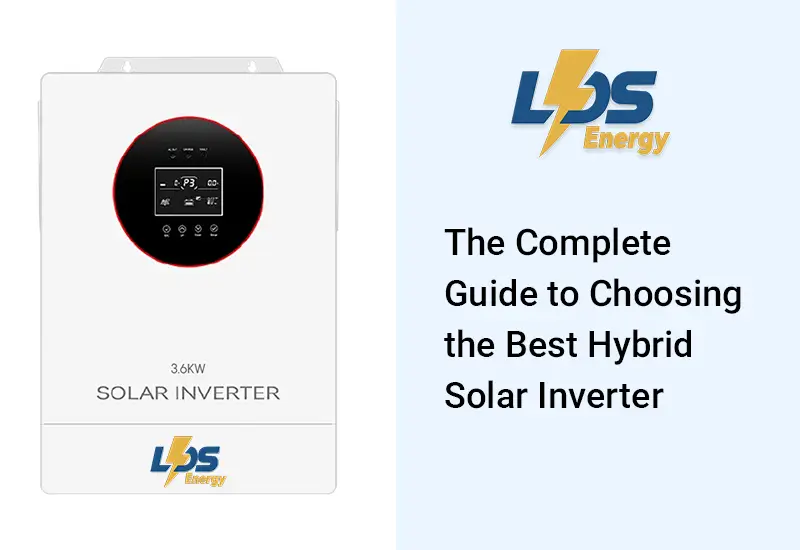
3.6kW Hybrid Solar Inverter – Ideal for Smaller Homes
The 3.6kW hybrid solar inverter is a great entry point for homeowners who are transitioning to solar with modest energy requirements. Systems of this size are typically suited for small households or properties with limited roof space that produce less solar power. These units efficiently convert DC power to AC power and manage battery charging without requiring a bulky setup.
From my experience, 3.6kW systems hit a sweet spot between cost and performance for many residential users. They’re generally easier to install, require fewer support components, and work well with single‑phase power systems common in many homes. Despite its smaller capacity, this inverter still incorporates advanced features like intelligent energy management and MPPT tracking, giving you good performance without unnecessary complexity.
Another advantage is that smaller hybrid systems usually incur lower upfront costs, making them an attractive option for first‑time solar adopters.
6.5kW Hybrid Solar Inverter – Balanced Performance
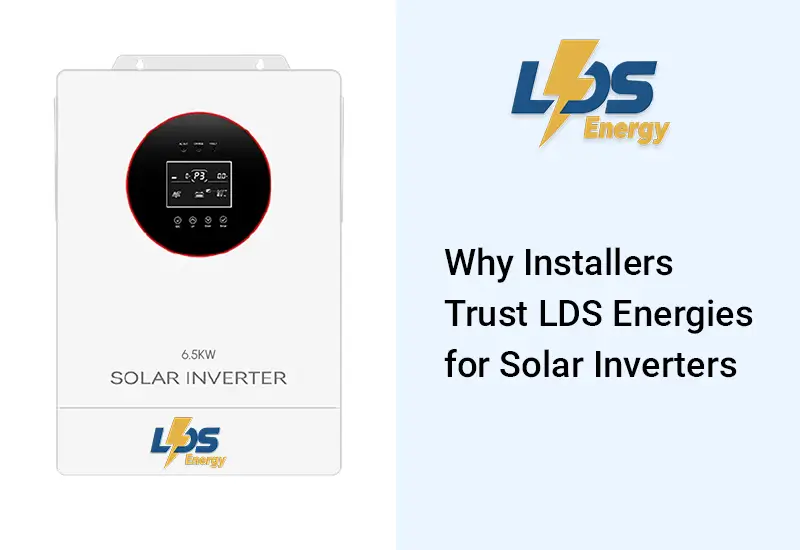
Stepping up in capacity, the 6.5kW hybrid solar inverter is often the go‑to choice for mid‑sized homes or properties with higher energy consumption. This size is suitable when your household has more appliances, electric vehicles, or anticipates energy storage for peak times and backup.
A 6.5kW inverter typically balances power handling with cost, delivering strong performance while still maintaining energy efficiency. These systems manage larger arrays of solar panels and can support more robust battery configurations. That expanded capability helps ensure that you’re using more of your solar production and relying less on grid supply during high demand periods.
From what I’ve observed, many residential solar installations include a system in this range because it fits well into the energy profile of a family home without jumping straight into commercial‑grade capacity. Whether you’re interested in reducing energy costs or preparing for occasional outages, this category of hybrid inverter reliably ticks most of the boxes for daily energy needs.
12kW Hybrid Solar Inverter – High‑Demand and Commercial Use
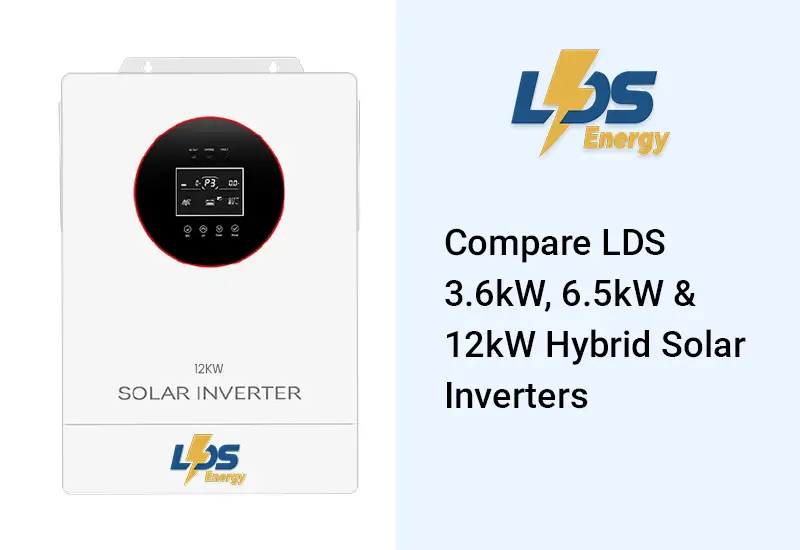
For larger homes, multi‑family properties, or commercial installations, the 12kW hybrid solar inverter offers an elevated level of performance and flexibility. These systems can handle significantly more solar panel input and support larger battery banks, enabling greater energy independence and backup capacity.
From an installer’s perspective, a 12kW unit is often deployed for properties with high peak loads, heavy appliance usage, or where multiple zones of power demand exist. This size brings more robust system throughput and future scalability, especially if you plan to integrate EV charging, HVAC systems, or expand your solar array down the road.
While higher capacity systems come with a larger upfront cost, the return on investment becomes clear over time when you consider the expanded energy saving potential and reduced dependence on grid power during peak pricing periods.
Efficiency, Monitoring, and Performance Factors
When evaluating hybrid inverters, efficiency ratings , which represent how effectively DC electricity is converted into AC , are crucial. Most modern hybrid inverters achieve efficiencies above 95%, but individual performance varies based on design, temperature tolerance, and real‑world conditions. Higher efficiency means more usable energy, less loss, and better return on your solar investment.
Another important aspect is monitoring and smart features. Many hybrid solar inverters include integrated communication modules that allow homeowners and installers to track performance metrics in real time through mobile apps or cloud platforms. This visibility helps diagnose issues faster, optimize energy usage, and provide performance trends over time.
In larger systems, smart energy management , including priority routing between solar generation, battery storage, and grid usage , becomes essential. Intelligent hybrid inverters automate these decisions to maximize energy savings while ensuring reliability.
Battery Integration and Backup Power
One of the core benefits of hybrid solar inverters is seamless battery integration. These systems automatically manage battery charging and discharging based on solar production and load demand. During peak sun hours, excess solar energy goes to the battery. At night or during outages, the stored energy can be used to power critical loads.
Backup power capability is often the deciding factor for many homeowners who experience grid unreliability or frequent outages. A hybrid inverter with robust battery handling can support critical circuits and prevent interruption of essential services like refrigeration, lighting, and medical equipment during grid failures. This capacity varies by model size, so larger inverters with bigger battery support naturally deliver greater backup resilience.
Installation and Long‑Term Reliability
When I install hybrid systems, I always emphasize ease of installation and long‑term reliability. Hybrid inverters that offer modular designs, clear documentation, and remote diagnostics help reduce install time and future maintenance needs. Reliable operation over many years is a key indicator of system quality and customer satisfaction.
From a professional standpoint, it’s important to choose units with strong manufacturer support, extended warranties, and proven durability under diverse environmental conditions. This helps reduce service calls and ensures smoother ownership experiences for clients.
Cost Considerations and Value Over Time
Hybrid solar inverter costs vary significantly based on capacity, brand reputation, and feature sets. While larger units generally cost more upfront, they often deliver greater value over the long term through superior performance, enhanced energy savings, and expanded backup power options. When evaluating cost, I recommend balancing initial investment with expected lifetime performance, warranty coverage, and expansion plans.
Making the Right Choice for Your System
Choosing between a 3.6kW, 6.5kW, or 12kW hybrid solar inverter ultimately depends on your present and future energy needs. Smaller systems fit modest residential loads, while medium‑capacity inverters are a practical choice for larger homes. High‑capacity inverters deliver commercial‑grade performance and support advanced energy setups.
Understanding your energy consumption patterns, future expansion plans, and desired level of backup power will guide you toward the best option. Hybrid solar inverters provide significant flexibility and efficiency benefits, especially when paired with intelligent battery systems and smart management tools.