When I first began working with solar power systems more than a decade ago, one thing became immediately clear: solar inverters are the heart of any efficient solar setup. You can have the best solar panels on your roof, but without a highly reliable solar panel inverter, your clean energy potential goes unrealized. As installers and professionals in the field, the choices we make about inverters directly impact system performance, reliability, and long‑term customer satisfaction.
In today’s market, both residential and commercial solar projects demand equipment that not only converts energy efficiently but also integrates seamlessly with monitoring, battery storage, and future expansions. That’s why installers increasingly rely on trusted brands and advanced technology to meet client expectations and deliver long‑lasting solar solutions.
In this blog, I’ll walk you through why seasoned installers prefer certain products, what they look for in high‑performance solar and power inverter systems, and how LDS Energies has consistently become a go‑to solution for solar professionals across the United States.
Understanding the Role of a Solar Inverter
First, let’s talk about what a solar inverter actually does. In simple terms, a solar inverter converts the DC (direct current) electricity generated by your PV solar panels into AC (alternating current) electricity that homes and businesses use every day. Without this conversion, solar energy would remain unusable for typical appliances and grid use. This conversion function is such a core piece of the solar energy puzzle that installing the right inverter is often the single most important technical decision you make.
But there’s more to it than just conversion. Modern solar inverters do much more than flip DC into AC. They manage system performance, support energy storage integration, optimize efficiency with advanced algorithms, and even offer real‑time monitoring so you and your clients always know how the system is performing.
Why Installers Focus on Performance and Efficiency
Let me be clear: when I’m evaluating a solar inverter for a project, efficiency is at the top of my checklist. A high‑quality inverter for solar energy must minimize energy loss during conversion and maximize usable output. Today’s top solar inverters can reach efficiencies above 98%, meaning the system captures almost all of the solar power generated by the panels. This efficiency translates directly into better system performance, lower electricity bills, and happier customers.
With rising energy costs and increased solar adoption across the US, homeowners and businesses alike want equipment that performs reliably under varying conditions, heat, cold, shade, or grid instability. That’s why installers look for inverters with advanced Maximum Power Point Tracking (MPPT), robust thermal management, and compatibility with energy storage systems.
Installation Experience Matters
Beyond performance metrics, installers care deeply about the installation process itself. A solar inverter that is complex to install can add unnecessary hours to a project, increase labor costs, and heighten the chance of errors. Over the years, I’ve learned that the ideal solar inverter should be intuitive for installation, come with clear documentation, and support straightforward wire management.
The right system setup reduces installation time and enhances safety. This is especially important for professional solar installers who balance multiple projects and timelines. Products that streamline installation are favored not just because they save time, but because they reduce the risk of callbacks and technical issues later.
The Importance of Future‑Ready Inverters
In a world where energy needs are consistently evolving, flexibility is crucial. Solar systems today aren’t static, they grow. Whether homeowners plan to add battery backups or scale up their solar panel arrays, the inverter you choose must be adaptable.
That’s where the real value of hybrid and advanced inverter systems comes in. Systems capable of handling both grid interaction and battery storage eliminate the need to replace key components down the line. A hybrid inverter essentially combines the roles of a solar inverter and a battery inverter into a single unit, allowing for future upgrades without system overhauls. Installers love this feature because it future‑proofs clients’ investments.
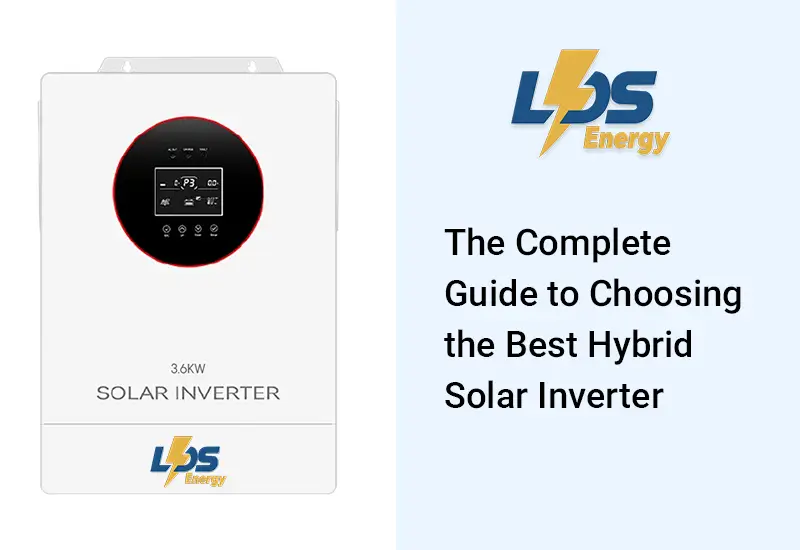
For those looking to understand how to evaluate various options today and make the best long‑term decision, check out our detailed guide on Choosing Best Hybrid Inverters. This resource helps you assess performance, compatibility with energy storage, and overall system needs before installation.
Real‑World Reliability: Why It’s Non‑Negotiable
Installers don’t just install and walk away, they ensure systems run reliably for years. That’s why product longevity, warranty support, and manufacturer responsiveness are critical decision factors. Panels may last 25 years, but if your inverter fails prematurely, the whole system’s value is compromised.
A reliable solar inverter withstands environmental stresses, maintains performance over time, and offers actionable diagnostic data. The best systems provide robust error reporting and remote monitoring features so teams can troubleshoot before a minor issue becomes a costly replacement.
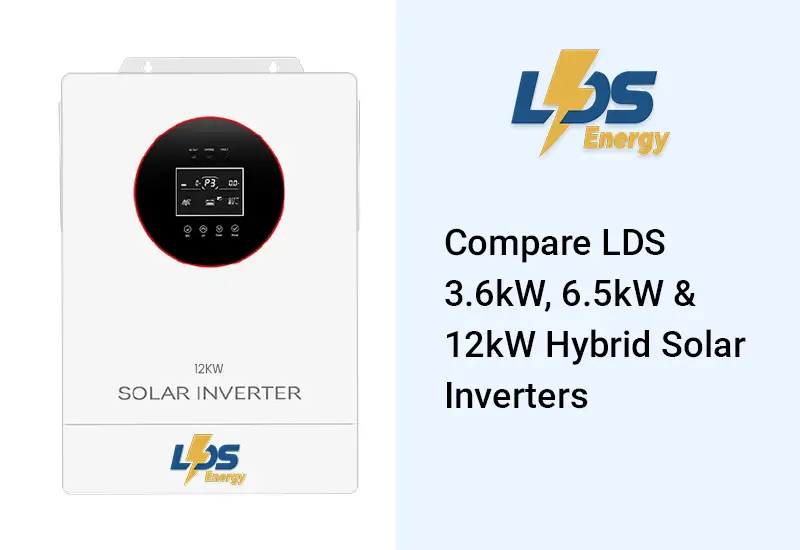
This expectation for reliability is why many professionals also turn to tools like Compare LDS Hybrid Inverters when deciding among models. Comparing hybrid solutions helps you precisely match the inverter to the job, whether you’re installing a small residential system or configuring a high‑capacity commercial setup.
Monitoring and Smart Capabilities Increase Installer Confidence
Today’s installers don’t settle for basic systems. Smart monitoring capabilities allow them to track real‑time production data, detect performance anomalies, and optimize systems remotely. These features aren’t just “nice to have”, they’re essential for delivering long‑term performance and customer satisfaction.
Most modern inverters synchronize data with mobile apps or the cloud, providing visibility into system output, efficiency levels, and battery status. For professionals, this means faster identification of issues and the ability to advise clients with real energy data, not guesses.
Installer Trust Is Built on Support and Education
Installers don’t work in isolation. We rely on manufacturers for guidance, technical support, and product training. When support teams respond quickly and with expertise, it boosts confidence. A solar inverter brand that invests in installer education and provides thorough resources earns trust in the field.
That’s why support availability, phone, email, online tutorials, and comprehensive installation manuals are non‑negotiables for experienced solar professionals.
Cost vs. Value: What Installers Look For
Every project has a budget, but installing a cheap inverter that underperforms is a false economy. Instead, seasoned installers evaluate cost in terms of value delivered over the life of the system. A slightly higher upfront cost on a robust, high‑efficiency solar inverter can deliver savings for homeowners and fewer service calls for installers.
Top performers look at efficiency, durability, warranty, monitoring features, and future adaptability, balancing these factors against price to recommend solutions that clients will be pleased with for years to come.
The Growing Demand for Hybrid Systems
In my experience, hybrid systems that manage both power conversion and energy storage are becoming the norm. With battery prices declining and demand for energy independence rising, solar systems that include backup power are quickly becoming standard installations for both homes and businesses.
These solutions help homeowners store excess energy during the day and use it at night or during grid outages. For clients who want energy resilience and reduced grid dependence, hybrid inverters deliver significant advantages over basic grid‑tied systems.
Customer Education: A Key Part of Installer Success
Installers aren’t just technicians, they’re educators. Helping clients understand the benefits of a high‑quality solar panel inverter and how it integrates with their system builds trust and leads to better long‑term outcomes. Clear communication about performance expectations, maintenance routines, and system capabilities helps clients appreciate the value of smart investments.
As client expectations evolve, installers who stay informed and can articulate the benefits of advanced inverters stand out in a crowded market.
Case Studies: Installer Preferences in Action
Over the years, I’ve worked with countless solar project owners, some focused on budget installs, others driven by high efficiency and future‑proofing. The patterns are clear: installers consistently recommend inverter systems that combine reliable conversion performance with advanced monitoring and adaptability.
These real‑world insights reflect broader industry trends and show how informed installer choices directly benefit end users.
Innovation and Industry Standards Matter
Solar technology doesn’t stand still. Efficiency standards, grid integration requirements, and best practices evolve continuously. Trusted inverter brands stay ahead by adhering to the latest industry standards, certifications, and technological advancements.
Installers value brands that innovate, not just to add features, but to improve system safety, reliability, ease of installation, and long‑term performance. This commitment to quality builds deep trust between professionals and manufacturers.
Integrating Solar Inverters With Broader Energy Goals
Modern solar installations are often pieces of larger energy strategies, including battery storage, smart home integration, and grid‑interactive systems. In this context, the inverter serves as the central control point, orchestrating energy conversion, storage, and consumption.
Installers who understand this ecosystem can design solutions that align with clients’ long‑term energy goals, and that requires selecting inverters that offer robust integration capabilities and future readiness.
Final Thoughts
From my perspective, installers trust brands that consistently deliver performance, reliability, support, and long‑term value. A high‑quality solar inverter maximizes solar energy use, enhances system longevity, and simplifies maintenance, benefits that professionals and end users both appreciate.
By focusing on efficiency, ease of installation, smart capabilities, durability, and future scalability, you ensure your solar installations not only succeed but exceed expectations.